

Customized Melasma Treatment for Every Skin Type | Glamorous Clinic in Dubai
Melasma is a common skin pigmentation condition that causes brown, greyish, or darker patches to appear on the face, particularly on the cheeks, forehead, upper lip, and nose. These uneven patches can affect the overall appearance of the skin and make achieving a clear, balanced complexion challenging. Since every individual has a different skin type, pigmentation pattern, and level of sensitivity, choosing the right treatment is essential for achieving safe and noticeable improvements. At Glamorous Clinic, personalized skincare solutions are designed to address individual pigmentation concerns, making Melasma Treatment in Dubai an option for people seeking professional care and a treatment approach suited to their skin needs.
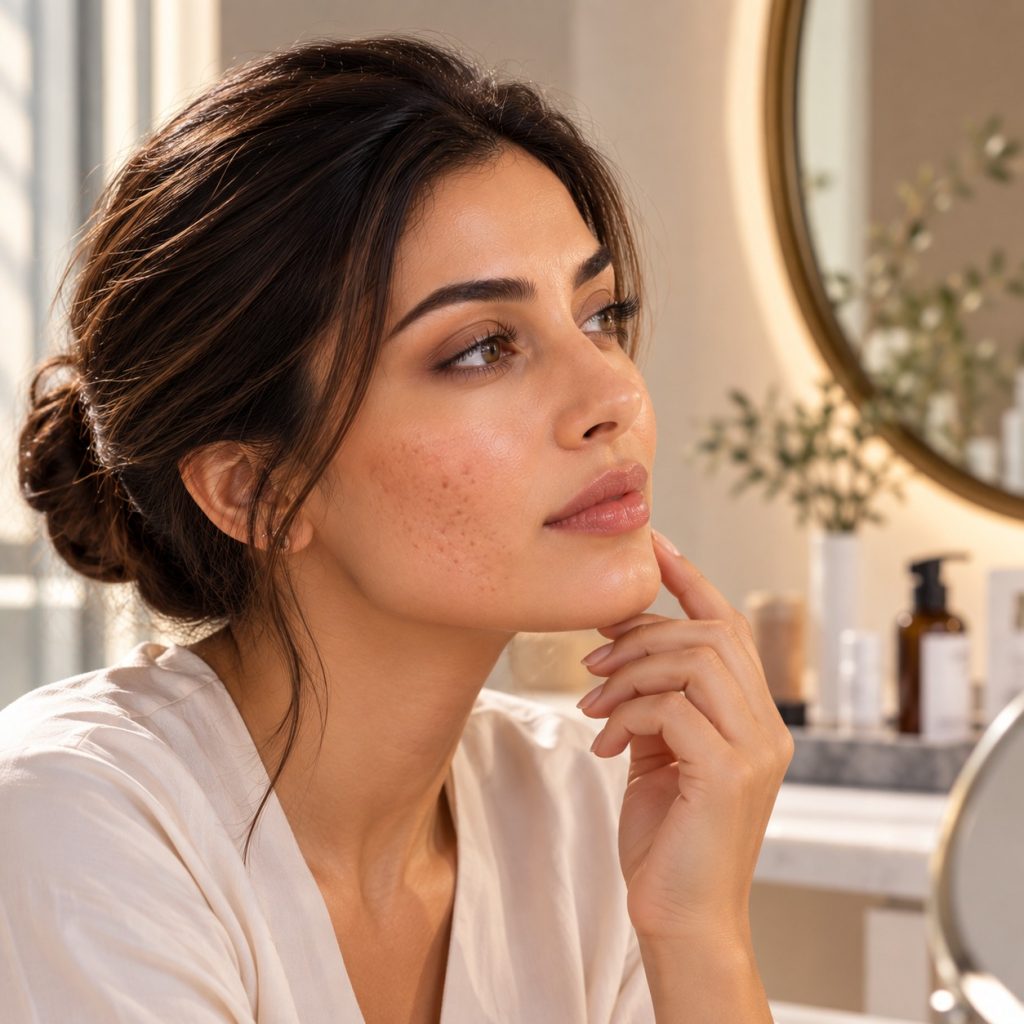
Understanding Melasma and Its Effect on Different Skin Types
Melasma develops when melanocytes, the cells responsible for producing skin pigment, become overactive and produce excess melanin. This leads to irregular dark patches that commonly appear on areas exposed to sunlight. Although melasma can affect different individuals, it is particularly common among women and people with medium to darker skin tones. Hormonal changes, sun exposure, genetic factors, and certain medications can contribute to its development.Understanding the underlying causes is an important part of selecting an appropriate treatment. For example, someone with oily skin may experience pigmentation alongside acne or post-inflammatory marks, while a person with dry or sensitive skin may struggle with irritation from strong skincare ingredients. Similarly, individuals with darker skin tones may have a greater risk of developing post-inflammatory hyperpigmentation after aggressive cosmetic procedures. Therefore, professional skin assessment helps determine which treatments are suitable and which approaches should be avoided.
Melasma Treatment Options for Different Skin Types
Several treatment methods can help improve the appearance of melasma. The most appropriate option depends on the individual's skin condition, pigmentation severity, and response to previous treatments. A qualified dermatologist can evaluate these factors before recommending a suitable plan.
Treatment for Oily and Combination Skin
People with oily or combination skin may experience melasma alongside acne, enlarged pores, or uneven skin texture. In these cases, treatment should address pigmentation without unnecessarily increasing oiliness or irritating the skin. Dermatologists may recommend suitable topical ingredients, including azelaic acid or other pigmentation-focused products, depending on the individual's condition.Chemical peels may also be considered when clinically appropriate. These treatments help exfoliate the outer layers of the skin and improve uneven pigmentation. However, the strength and type of peel must be selected carefully, particularly for individuals with darker complexions who may be more susceptible to post-treatment pigmentation.
Treatment for Dry and Sensitive Skin
Dry and sensitive skin requires a more cautious approach because harsh ingredients and intensive procedures can damage the skin barrier. Excessive exfoliation may increase redness, discomfort, and irritation, potentially making pigmentation concerns worse.For these skin types, dermatologists may recommend gentle skincare products and suitable topical treatments that help manage excess pigmentation while maintaining skin hydration. Moisturizers containing barrier-supporting ingredients can also help improve skin comfort. Professional treatments should be introduced gradually and selected according to the skin's tolerance.
Treatment for Normal Skin
Individuals with normal skin may have more flexibility when considering different pigmentation treatments, but this does not mean that every procedure is automatically suitable. A professional assessment helps determine whether topical medications, chemical peels, laser procedures, or a combination of treatments would be appropriate.The main objective is to improve uneven pigmentation while maintaining the skin's natural balance. Consistent sun protection and an appropriate skincare routine remain essential, regardless of the treatment selected.
Treatment for Darker Skin Tones
People with darker skin tones need special consideration when treating melasma. Their skin may be more vulnerable to post-inflammatory hyperpigmentation following irritation, excessive exfoliation, or unsuitable laser procedures. Selecting the correct treatment intensity and technology is therefore important.A dermatologist may recommend carefully selected topical products or gentle procedures based on pigmentation depth and skin sensitivity. Laser treatment may be considered in certain cases, but it should only be performed after an appropriate assessment. The priority is to improve pigmentation without triggering additional discoloration.
Professional Treatments Used to Manage Melasma
Different clinical treatments can help reduce the appearance of dark patches. Each option works differently, and the choice depends on the individual's skin requirements.
Topical Treatments
Prescription creams and dermatologist-recommended skincare products are commonly used to manage melasma. Ingredients such as hydroquinone, tretinoin, azelaic acid, and kojic acid may help reduce excess pigmentation through different mechanisms. These products can take several weeks or months to produce noticeable improvements, and they should be used according to professional instructions.Using too much of an active ingredient or combining several strong products without guidance may cause irritation. A personalized skincare routine helps ensure that products are appropriate for the individual's skin type and condition.
Chemical Peels
Chemical peels use carefully selected exfoliating ingredients to remove damaged surface skin cells and improve uneven skin tone. Depending on the formulation, they may help reduce visible pigmentation and improve skin texture.However, not every peel is appropriate for melasma. Strong treatments can sometimes trigger irritation and make pigmentation more noticeable, particularly in sensitive or darker skin. Professional assessment is necessary to determine the appropriate peel and treatment frequency.
Laser Therapy
Laser therapy may be considered when topical treatments are insufficient or when a dermatologist believes that a procedure could benefit the patient's particular pigmentation concerns. Specific laser technologies deliver controlled energy to target pigment within the skin. The treatment parameters must be selected carefully to minimize the risk of irritation and unwanted pigmentation changes.Laser procedures are not suitable for everyone, and results vary according to skin type, pigmentation depth, and individual response. Multiple sessions may be required, while some patients may benefit more from non-laser treatments. A professional consultation helps establish realistic expectations before beginning treatment.
Microdermabrasion and IPL Therapy
Microdermabrasion is an exfoliation-based procedure that removes some of the outermost dead skin cells. It may help improve skin texture and brightness, although it is not a primary treatment for every type of melasma.Intense Pulsed Light (IPL) uses broad-spectrum light to target selected pigmentation concerns. However, IPL can sometimes worsen melasma, particularly in darker or more reactive skin types. It should therefore only be considered after careful professional evaluation rather than being treated as a universal solution.
The Importance of Sun Protection and Daily Skincare
Sun exposure is one of the major factors that can trigger or worsen melasma. Even after professional treatment, ultraviolet radiation and visible light maycontribute to the return of pigmentation. This makes daily sun protection an essential part of long-term management.sing broad-spectrum sunscreen with SPF 30 or higher, preferably SPF 50 for regular outdoor exposure, can help protect the skin. Reapplication throughout the day is important, particularly when spending extended periods outdoors. Wide-brimmed hats, sunglasses, and shade can provide additional protection.A suitable skincare routine should also include gentle cleansing, regular moisturization, and dermatologist-approved pigmentation products. Avoiding harsh scrubs, excessive exfoliation, and unverified skin-lightening products can reduce the risk of irritation. Individuals should also discuss hormonal medications and other potential triggers with their healthcare professional when relevant.
What to Expect During Your Melasma Treatment Journey?
The first step is a professional skin assessment to understand the type and severity of pigmentation. During this evaluation, the dermatologist may consider the patient's skin tone, sensitivity, medical history, lifestyle, and previous treatments. This information helps determine whether topical products, chemical peels, laser therapy, or another approach may be appropriate.The treatment process is not identical for everyone. Some individuals may notice gradual improvements within a few weeks, while others may require several months of consistent care. Follow-up appointments help assess the skin's response and determine whether adjustments are necessary. Patients should understand that melasma is a chronic condition and that complete permanent removal cannot always be guaranteed.
Why Choose Glamorous Clinic for Melasma Care in Dubai?
Glamorous Clinic focuses on personalized aesthetic and dermatological care, with treatment recommendations based on individual skin concerns. Its melasma treatment services are designed to help patients explore suitable options for uneven pigmentation and improve the overall appearance of their complexion.The clinic's approach emphasizes understanding the patient's skin requirements and selecting treatments according to the severity of pigmentation and individual suitability. With professional guidance, patients can receive advice about treatment options, expected recovery, skincare routines, and the importance of protecting their skin after procedures.Located in Jumeirah, Dubai, Glamorous Clinic provides an opportunity for individuals seeking professional advice about pigmentation concerns to arrange a consultation and discuss an appropriate treatment plan.
Conclusion
Melasma can be a persistent pigmentation concern, but the right combination of professional care, suitable skincare, and consistent sun protection can help improve its appearance. Since every skin type responds differently, customized treatment is essential for managing pigmentation safely and effectively. Whether someone has oily, dry, sensitive, normal, or darker skin, selecting an appropriate approach requires careful assessment and realistic expectations. Glamorous Clinic in Dubai offers personalized guidance to help individuals explore suitable melasma care according to their skin needs. With professional support and a consistent skincare routine, patients can work towards a more even-looking complexion, healthier skin, and greater confidence in their natural appearance.