

Specialized Treatment for Persistent Facial Discoloration | Glamorous Clinic in Dubai
Facial discoloration can affect confidence in a way that few other skin concerns do. Dark patches that appear on the cheeks, forehead, upper lip, or jawline often seem to arrive without warning and refuse to fade, no matter how many brightening products are applied. Many people spend months or even years trying different remedies before seeking professional guidance. For those dealing with hormonal or sun-related pigmentation, choosing a Melasma Treatment in Dubai that is built around the individual skin type can make a meaningful difference. The reason is simple: persistent discoloration is rarely caused by a single factor, and it responds best when every contributing element is addressed together.Pigmentation becomes persistent when melanin-producing cells remain overactive. Hormonal shifts, strong sunlight, heat, genetics, and inflammation can all keep these cells in a heightened state. In sunny regions, constant exposure to ultraviolet and visible light means the skin is repeatedly triggered, which is why discoloration can return even after it seems to have faded. Understanding this cycle is the first step toward breaking it.
The Importance of Accurate Diagnosis
Not every dark patch is the same, and treating all pigmentation with one method is a common mistake. Some discoloration is superficial and responds quickly, while other types sit deeper in the skin and need a slower, more patient approach. Post-inflammatory marks from acne or irritation, sun spots, and hormonally driven patches can look similar at first glance but behave very differently during treatment.A thorough consultation allows a skin specialist to examine the pattern, depth, and distribution of the pigment. Medical history matters too, since pregnancy, contraceptives, certain medications, and thyroid conditions can all influence pigmentation. Skipping this assessment can lead to treatments that irritate the skin and make discoloration darker. A correct diagnosis protects the skin and sets realistic expectations from the very beginning.
Gentle Technologies for Lasting Improvement
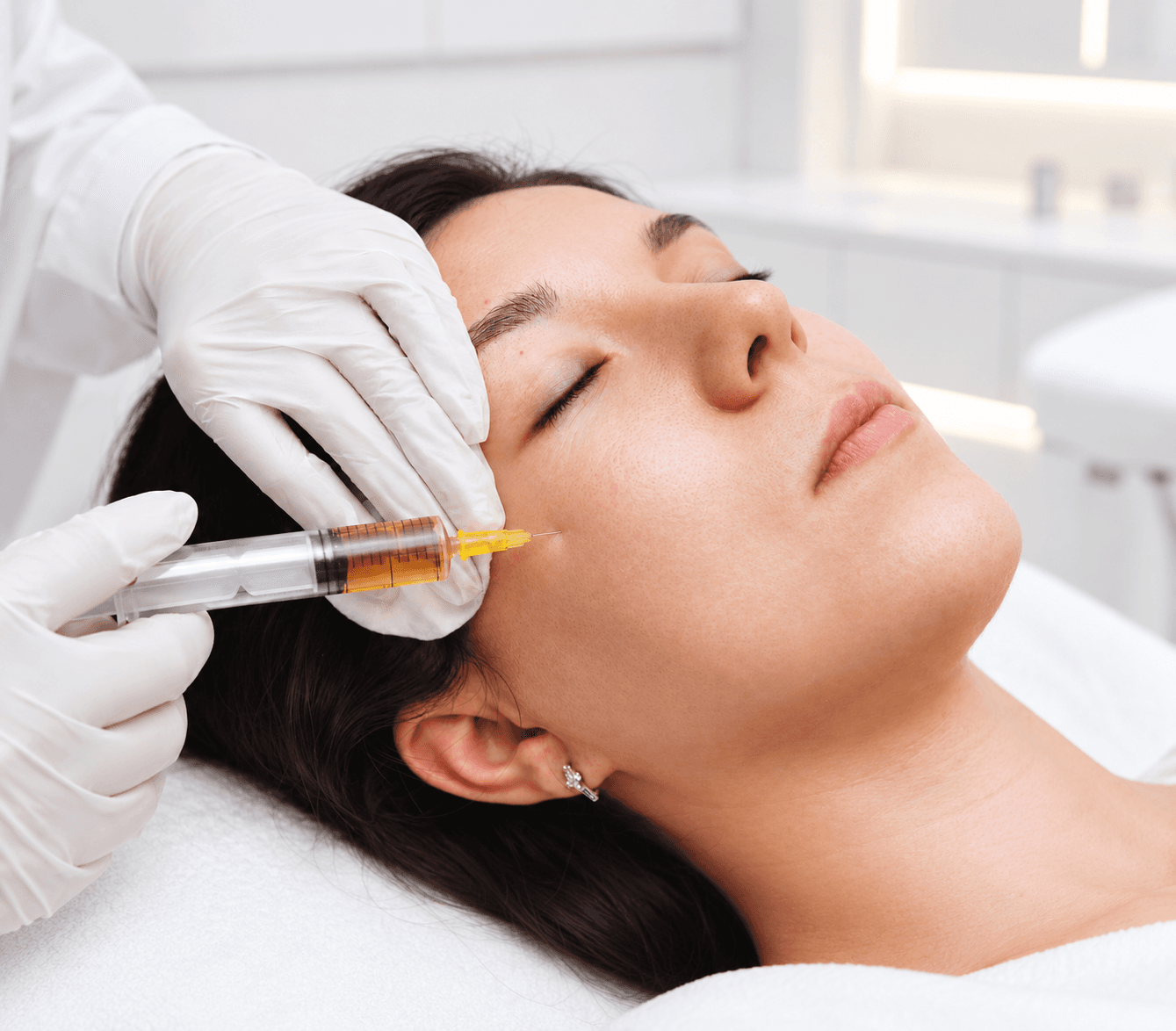
Modern aesthetic medicine offers options that were not available a decade ago. Low-energy laser protocols are designed to break down excess pigment gradually while limiting heat in the surrounding tissue. This is especially valuable for medium and deeper skin tones, which can react poorly to aggressive heat. Treatments are usually spread over several sessions so the skin can recover and respond steadily.Chemical peels formulated specifically for pigmentation offer another useful route. Instead of stripping the skin, these blends combine brightening agents with gentle exfoliating acids that encourage healthy cell turnover. Microneedling paired with pigment-correcting serums can also improve absorption of active ingredients while supporting the skin’s natural repair process. The most effective plans often combine two or three of these approaches, adjusted over time according to how the skin responds.
Targeted Skincare That Supports Clinical Results
Professional sessions work best when supported by a well-chosen home routine. Ingredients such as azelaic acid, vitamin C, niacinamide, tranexamic acid, and retinoids each play a different role in controlling pigment. Some slow the enzyme responsible for producing melanin, others accelerate the shedding of pigmented cells, and others protect against oxidative stress that can worsen discoloration.The key is to keep the routine simple and gentle. Layering too many strong actives can cause redness, dryness, and inflammation, and inflammation itself can trigger more pigment. A balanced routine with a mild cleanser, a targeted treatment serum, a nourishing moisturizer, and sunscreen is usually more effective than a crowded shelf of products. Consistency over several months matters far more than intensity over a few weeks.
Daily Sun Protection Is Non-Negotiable
No pigmentation plan can succeed without dedicated sun protection. Broad-spectrum sunscreen with a high SPF should be applied every morning and reapplied during the day, even indoors near windows or on cloudy days. Tinted mineral sunscreens containing iron oxides are especially helpful because they shield the skin from visible light, which can stimulate pigment in deeper skin tones.Additional habits strengthen this protection. Wide-brimmed hats, sunglasses, and shade during peak hours reduce the burden on the skin. Heat can also worsen discoloration, so limiting time in saunas, steam rooms, and very hot environments is a sensible precaution. These everyday choices may seem minor, but they determine whether results hold over the long term or fade away within a few months.
Setting Realistic Expectations
Patience is an essential part of treating stubborn pigmentation. Improvement usually appears gradually, with patches softening in tone and shrinking in size over several months. Expecting overnight transformation often leads to disappointment and to abandoning a plan that was working. Taking progress photographs under consistent lighting can help show subtle changes that are easy to miss in the mirror.It is also important to understand that pigmentation of this kind is typically managed rather than permanently erased. The skin remains sensitive to triggers, so occasional flare-ups can happen, especially during hormonal changes or after intense sun exposure. Viewing treatment as long-term care instead of a one-time correction helps people stay committed and respond quickly when changes occur.
Maintenance and Lifestyle Support
Once the discoloration has improved, maintenance sessions spaced several months apart can help preserve results. Regular follow-ups allow the plan to be adjusted for seasonal changes, new medications, or shifts in hormones. This ongoing partnership is often what separates short-lived improvement from lasting clarity.Lifestyle also plays a supporting role. Quality sleep, balanced nutrition, good hydration, and stress management all contribute to a calmer skin barrier. Choosing fragrance-free products, avoiding harsh scrubs, and being careful with waxing on pigment-prone areas reduces needless irritation. Small, steady habits protect the skin from the inflammation that so often fuels discoloration.
Conclusion
Persistent facial discoloration can feel discouraging, but it is far from untreatable. With an accurate diagnosis, gentle modern technologies, targeted skincare, and unwavering sun protection, even stubborn pigmentation can be softened and kept under control. Success depends on patience, realistic expectations, and a commitment to ongoing care rather than a quick fix. By following a tailored plan and maintaining healthy daily habits, it is entirely possible to enjoy a clearer, more even complexion and the lasting confidence that comes with it.