

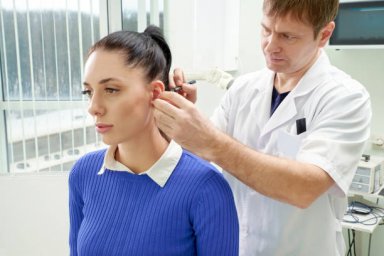
Facial harmony depends on how different features complement one another. While the eyes, nose, and jawline often receive the most attention, the ears also contribute to the overall appearance of the face. Their size, shape, position, and projection can influence facial balance, particularly when viewed from the side. Individuals who feel that their ears appear overly prominent or uneven may explore Ear cosmetic surgery in Riyadh (جراحة تجميل الأذن في الرياض) to understand how aesthetic correction can improve their appearance while preserving natural proportions.
Every person's facial structure is unique, which means ear shape should be considered in relation to surrounding features rather than according to a fixed standard. Some individuals have naturally prominent ears, while others may be concerned about cartilage irregularities, uneven positioning, or earlobe shape. Ear cosmetic surgery in Riyadh offers an approach to addressing these concerns through personalized surgical planning that considers individual anatomy, facial proportions, and aesthetic expectations.
Understanding the Role of Ears in Facial Harmony
How Ear Shape Influences Facial Appearance
The ears help frame the sides of the face and contribute to its overall outline. Their position and projection can affect how balanced the facial profile appears. When the ears extend noticeably outward, they may become more prominent from certain viewing angles.
Similarly, differences in ear height, length, or contour can create an appearance that some individuals wish to refine. Cosmetic correction focuses on improving these specific features while maintaining the natural characteristics of the ears.
The Relationship Between Ears and Other Facial Features
Facial harmony is influenced by the relationship between the ears, nose, cheeks, forehead, and jawline. For example, ear projection may become more noticeable when viewed alongside the side profile of the nose and chin.
A comprehensive assessment considers these surrounding features to determine whether an ear-related concern affects the overall appearance. The goal is not to make every feature identical or perfectly symmetrical but to achieve a balanced result that complements the individual's natural facial structure.
Common Ear Concerns That May Affect Facial Balance
Prominent or Protruding Ears
Prominent ears are a common aesthetic concern. They may appear more noticeable because of underdeveloped cartilage folds or differences in the structure that holds the ear closer to the head. This can influence the appearance of the face from both frontal and side views.
Otoplasty, also known as ear pinning surgery, may help reduce excessive projection by reshaping or repositioning the cartilage. The procedure is planned according to the existing ear structure and the desired degree of correction.
Uneven Ear Position
Natural differences between the ears are common. However, noticeable variations in height, angle, or distance from the head may affect the appearance of facial symmetry. A surgical assessment can identify the structural reasons behind these differences and determine whether correction is appropriate.
Irregular Ear Contours
The outer ear contains several cartilage folds that create its distinctive shape. When these folds are less defined or irregular, the ear may have an unusual contour. Depending on the individual's anatomy, cartilage reshaping may help improve definition and create a more balanced outline.
How Cosmetic Ear Surgery Can Improve Facial Profile
Cartilage Reshaping
Cartilage reshaping is used to modify certain structural features of the outer ear. A surgeon may adjust the natural folds or contours to improve the ear's overall appearance. The technique depends on whether the concern involves projection, shape, or cartilage definition.
Reducing Excessive Ear Projection
When the ears extend outward more than an individual prefers, otoplasty may help bring them closer to the head. Careful planning is important because excessive correction can create an unnatural appearance. The intended result is a proportionate position that complements the face.
Refining Earlobe Appearance
The earlobes contribute to the lower outline of the ears. Some people have elongated, stretched, or uneven earlobes that affect their preferred appearance. Depending on the concern, earlobe correction may be considered as a separate procedure or alongside other ear adjustments.
What Happens During an Ear Surgery Consultation?
Evaluation of Individual Anatomy
The consultation generally involves examining the ears from the front, side, and back. The surgeon assesses ear size, cartilage structure, projection, earlobe proportions, and differences between both ears. Facial features are also considered to understand how the ears relate to the overall profile.
Choosing an Appropriate Surgical Technique
The recommended procedure depends on the specific concern and the patient's anatomy. Some individuals may benefit from cartilage reshaping, while others may require repositioning or targeted earlobe correction. The surgeon should explain the proposed approach, expected improvements, limitations, and potential risks.
Discussing Realistic Results
Cosmetic ear surgery aims to improve appearance rather than guarantee perfect symmetry. Natural anatomical differences may remain after treatment, and healing can influence the final outcome. Clear communication about expectations helps individuals make informed decisions.
Recovery and Aftercare Following Ear Correction
Recovery varies according to the surgical technique and extent of correction. Temporary swelling, bruising, tenderness, and discomfort may occur during the initial healing period. A protective dressing or headband may be recommended to support the ears as they recover.
Patients should follow their surgeon's instructions about wound care, sleeping positions, physical activity, and follow-up appointments. Activities that may place pressure on the ears should be avoided until the surgeon confirms they are safe. Medical advice should be sought if unusual pain, fever, discharge, or worsening swelling develops.
Benefits and Important Surgical Considerations
Cosmetic ear surgery may help reduce prominent ear projection, refine cartilage contours, and improve differences in ear positioning. For individuals who feel self-conscious about particular ear features, correcting these concerns may also support greater confidence in their appearance.
However, surgery involves potential risks, including infection, bleeding, scarring, changes in sensation, asymmetry, and dissatisfaction with the result. A qualified surgeon should explain these considerations and assess whether the expected benefits are appropriate for the individual.
Book a Consultation at Royal Clinic Saudi
Creating a more harmonious facial profile begins with understanding how individual features relate to one another. Royal Clinic Saudi (عيادات رويال كلينك) provides an opportunity to discuss ear-related aesthetic concerns, explore suitable correction techniques, and receive guidance based on personal anatomy and treatment goals. If you are considering Ear cosmetic surgery in Riyadh, arranging a professional consultation can help you understand your options and determine an appropriate approach to improving ear appearance.
FAQs:
1. Can ear cosmetic surgery improve facial harmony?
Yes. It may improve the appearance of prominent or uneven ears, helping them complement surrounding facial features.
2. What is otoplasty used for?
Otoplasty is commonly used to reshape or reposition the ears, particularly when they project noticeably outward.
3. Will ear surgery make both ears perfectly symmetrical?
No. Surgery can improve balance, but natural differences between the ears may remain.
4. How long does it take to recover from cosmetic ear surgery?
Initial recovery often takes a few weeks, although complete healing and the final appearance may take longer depending on the procedure and individual healing response.